For many years (1998), the Atlantic Canada Shorebird Survey (ACSS) began monitoring several sites where birds stop. The members of ACSS monitor migratory bird populations and ensure they continue to be able to rely on these major areas during migration. There are about 142 official sites in the Atlantic Provinces. The Bouctouche Dune and Cormierville Marsh are part of these sites.
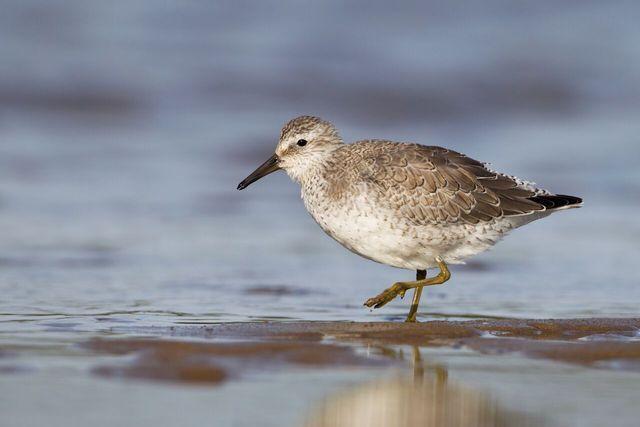

Many shorebirds nest in northern Canada and migrate south to get to their wintering areas each fall. Every spring they return north to nest again. During migration, some are able to fly at altitudes of 3,000m. During those long trips, which can reach up to 5,000 km, some birds can fly for 40 to 60 hours without stops or rest. This takes a lot of energy. That is why shorebirds need some important places where they can stop during the great migrations, to refuel. Many of these stops take place in Atlantic Canada. Over 75% of the shorebird population, about 2.5 million of them, stop in the Bay of Fundy before continuing their journey south. They can stop at sites like the marshes in Cormierville or the Bouctouche Dune, and stay for about 2 weeks.
 During these two weeks, they will eat almost constantly to double their weight in order to have the necessary reserves to continue the great migration.Several species of shorebirds have been declining since1974 when bird census programs began in the Atlantic Provinces. Some species, like the Piping Plover and the Red Knot, are now endangered, because their numbers are so low. Since these birds depend on several different habitats for their survival, it is important to make sure we keep healthy places that they can use to nest, to feed during migration and to spend the winter.
Here in Atlantic Canada, it is humid areas that are most important: the beaches, mudflats, and marshes that we humans must share with animals and plants, as they too need them. This is why, for many years, the Atlantic Canada Shorebird Survey (ACSS) began monitoring several sites where birds stop. The members of ACSS monitor migratory bird populations and ensure they continue to be able to rely on these major areas during migration. There are about 83 official sites in the Atlantic Provinces. The Bouctouche Dune and Cormierville Marsh are part of these sites.
Reports
- (2025) Report for shorebird survey in Bouctouche dune and Cormierville marsh (in French)
- Report for shorebird survey in Bouctouche dune and Cormierville marsh : (In French)
- Atlantic Canada shorebird survey newsletter - Calidris 2022
News
- April 2020: How to better protect our shorebirds?
- July 2018 : 5 hatched nests, 3 lost nests, 6 adults and 8 banded chicks - preliminary inventory of the South Eastern Piping Plover
- 2017 : How was the season of the piping plover?
- Sept 2017 (in French - article in L'Étoile)
Resources
- Video of how we can help shorebirds on our beaches
- The State of Canada's Birds 2019 (Shorebirds p.6)
- Atlantic Canada Shorebird Survey (ACSS) - Environment and Climate Change Canada
- Migratory birds - Canadian Wildlife Service
- The Roost - Birds Canada
Acknowledgements
Counting of shorebirds at the Cormierville Marsh and Bouctouche Dune has been made possible through the financial support of the NB Wildlife Trust Fund, the Irving Eco Centre , and the help of volunteers.